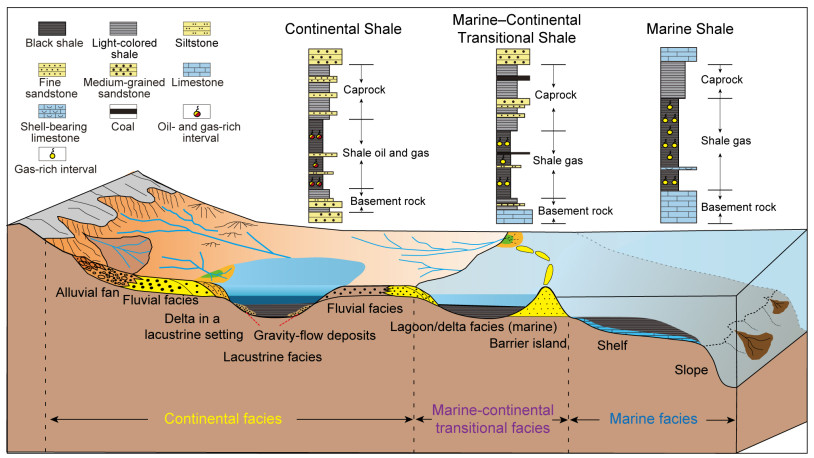
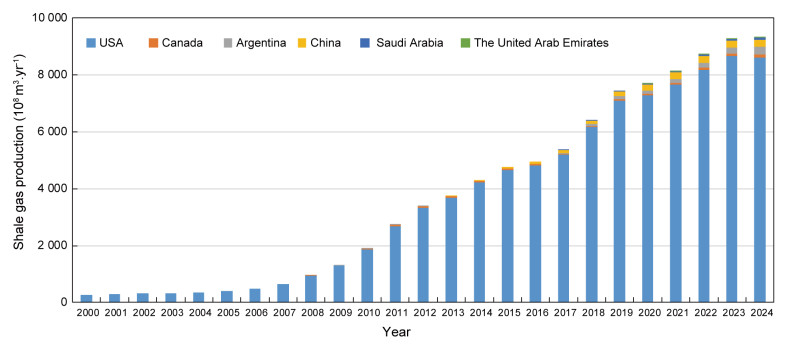
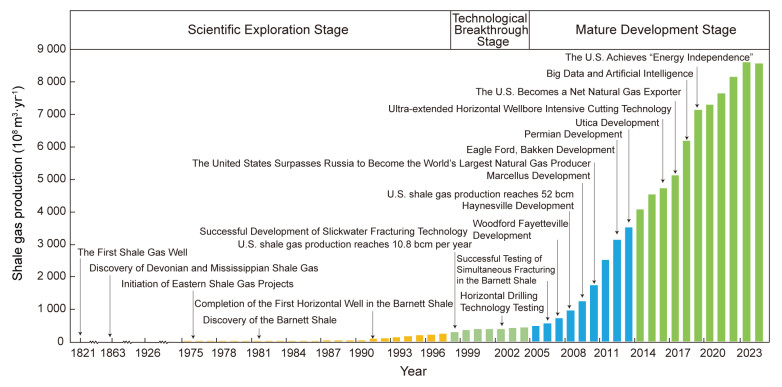
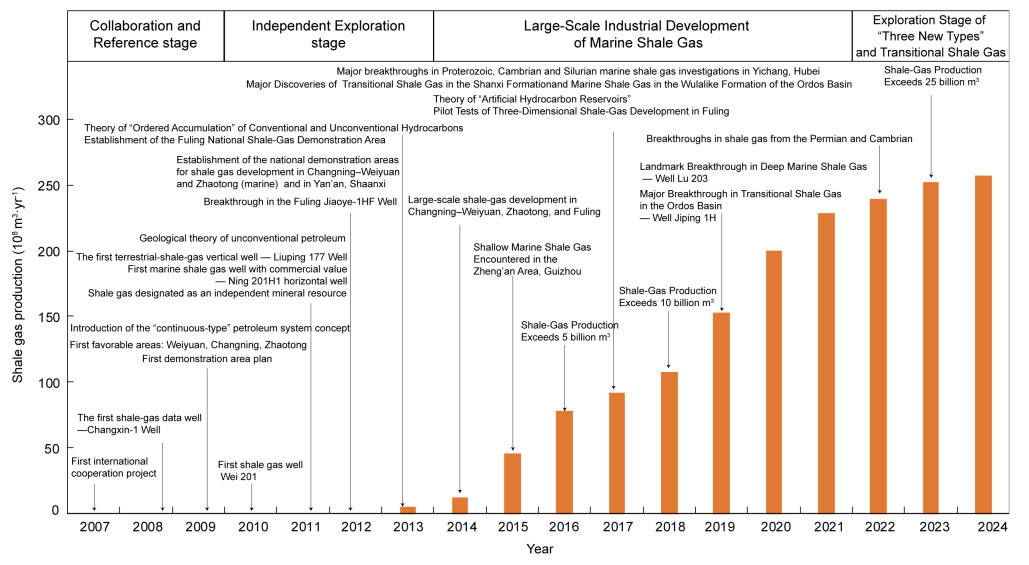
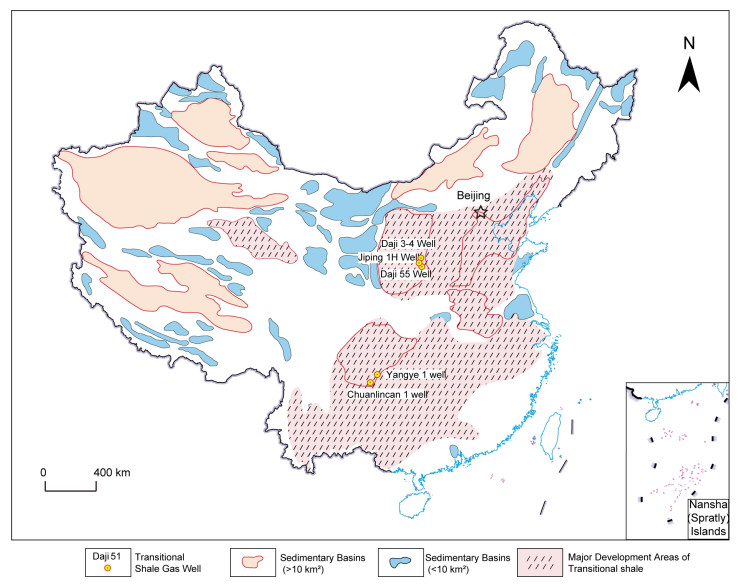
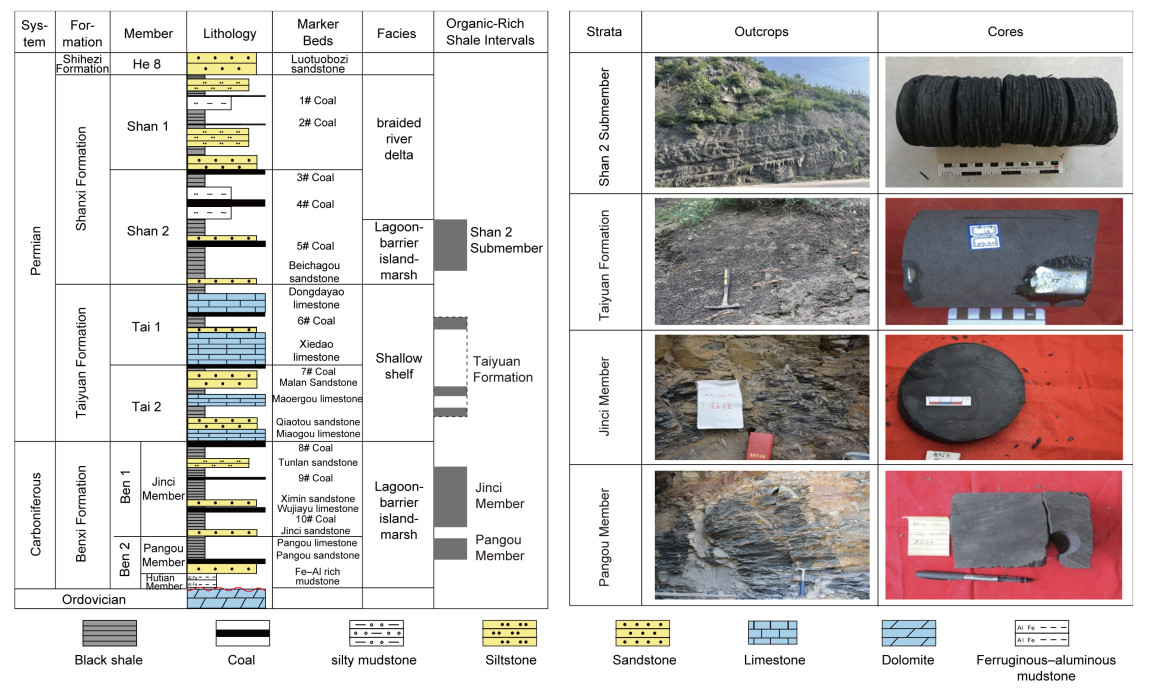
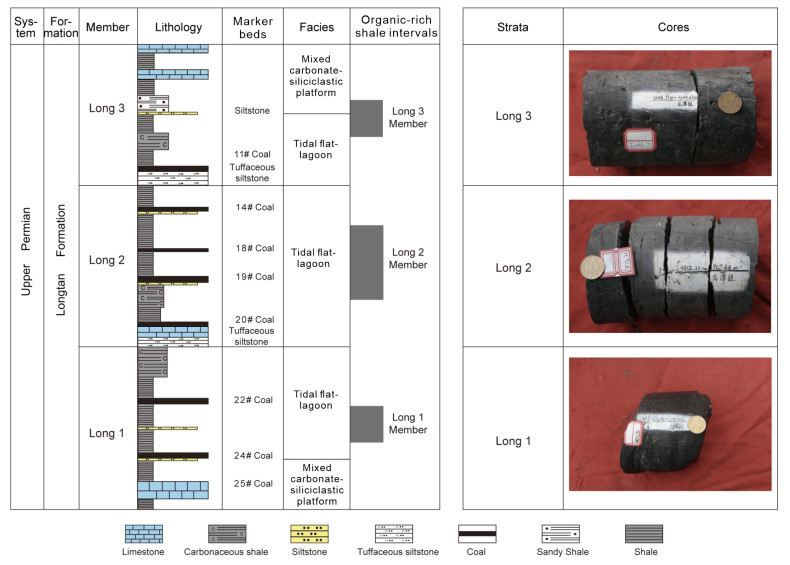
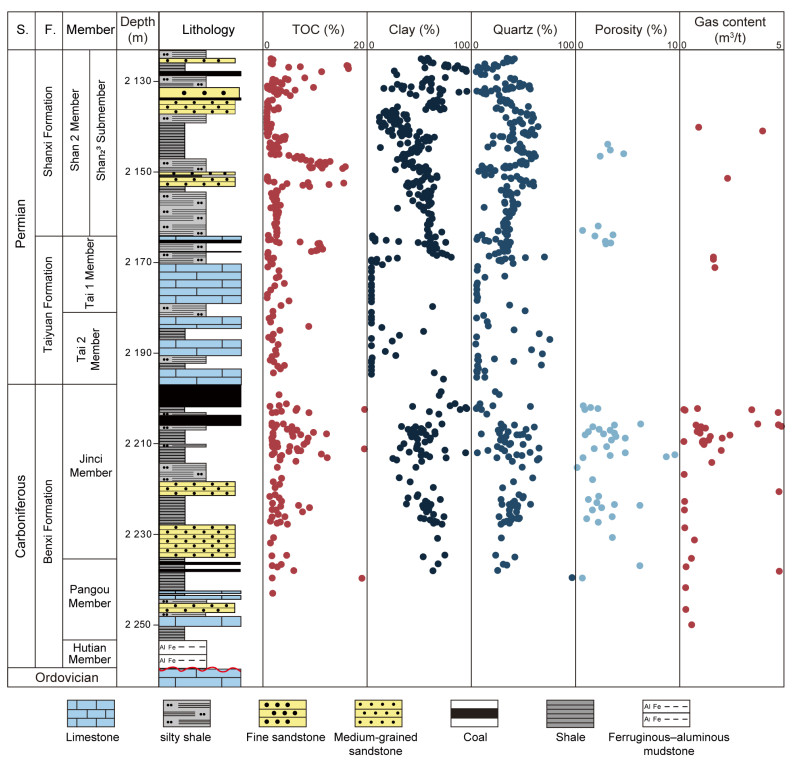
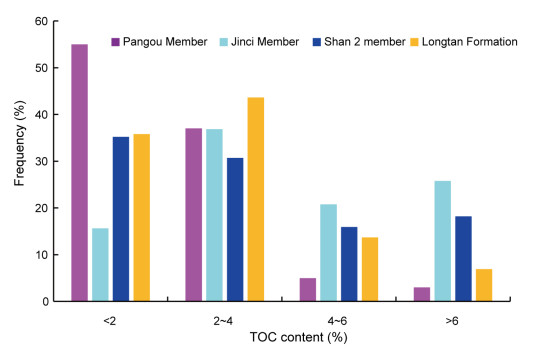
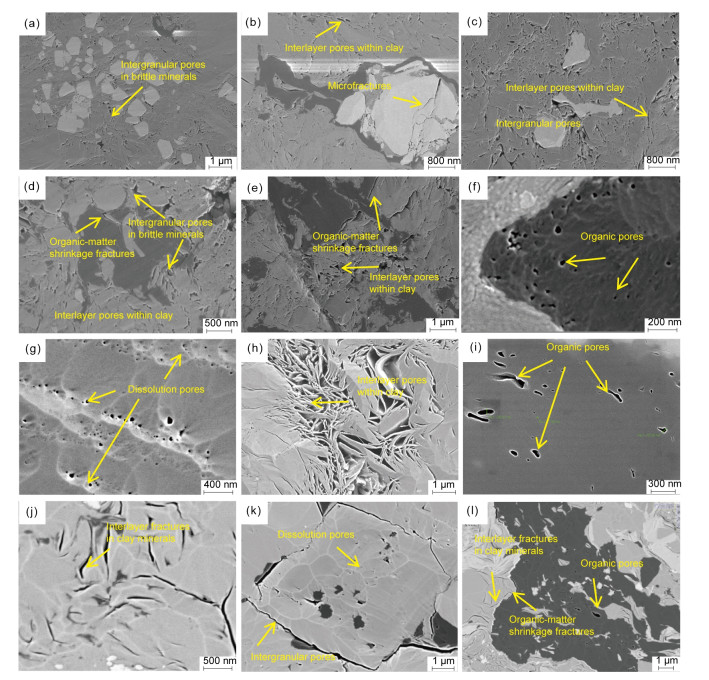
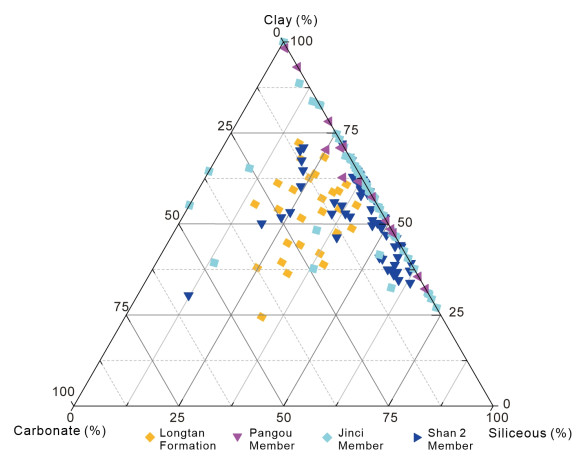
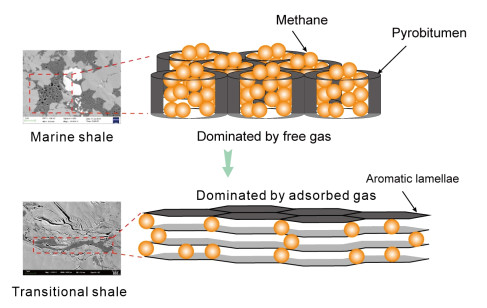
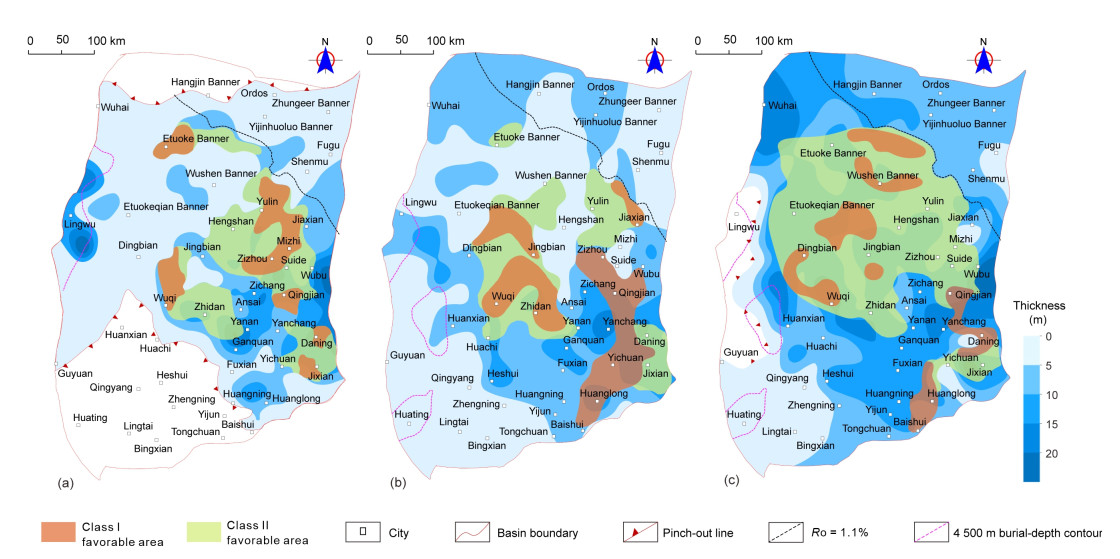
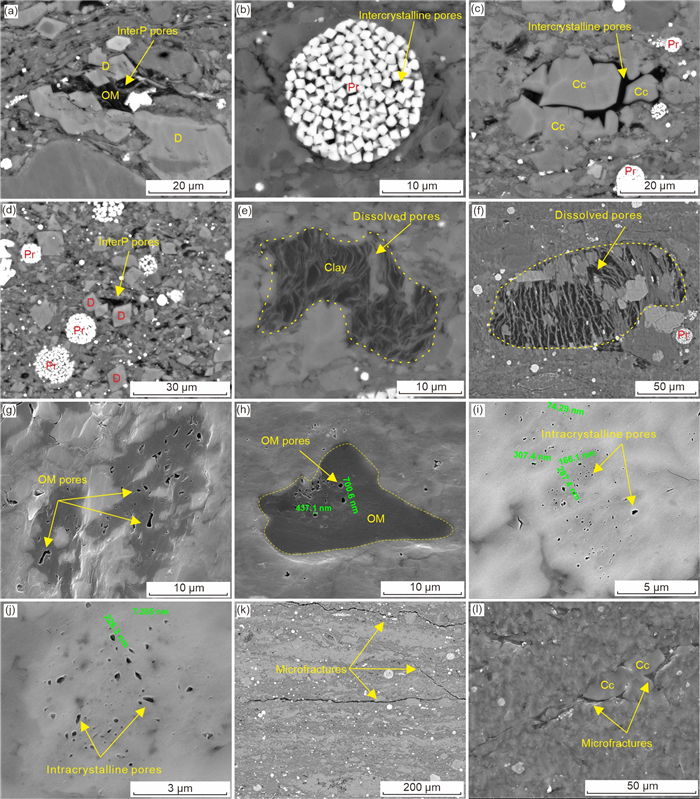
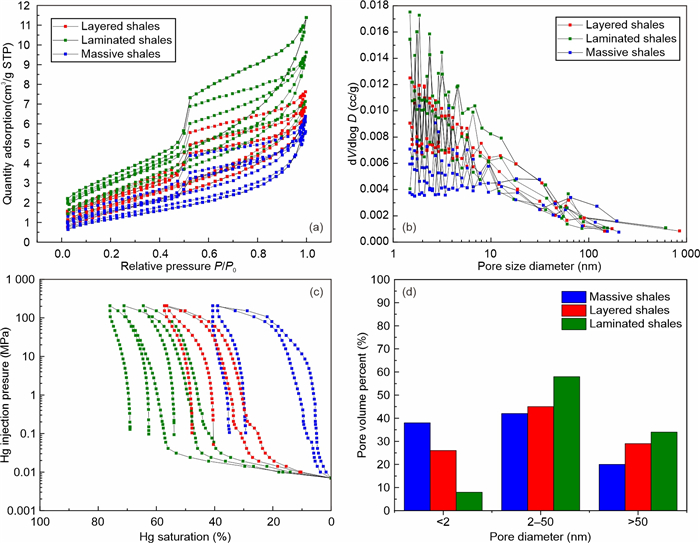
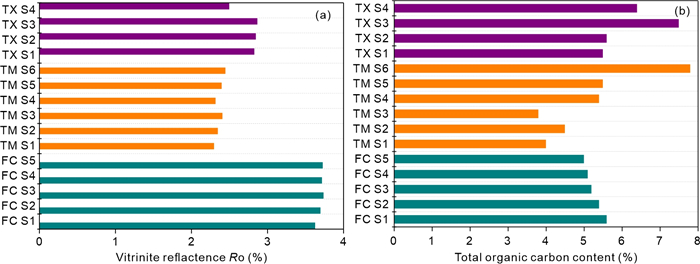
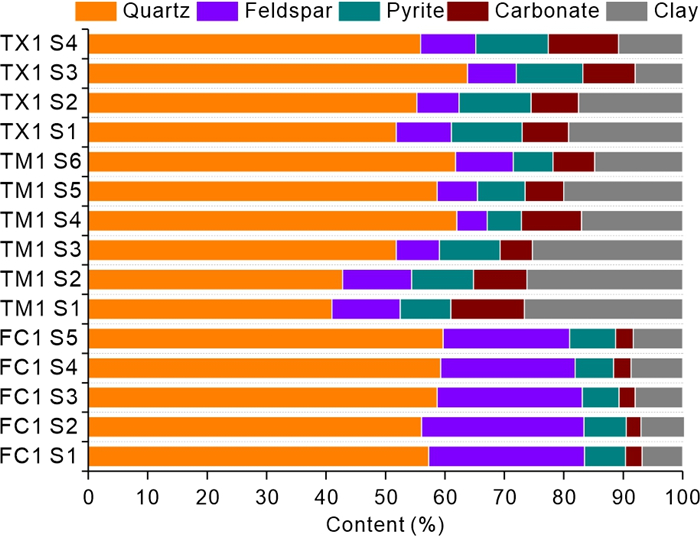
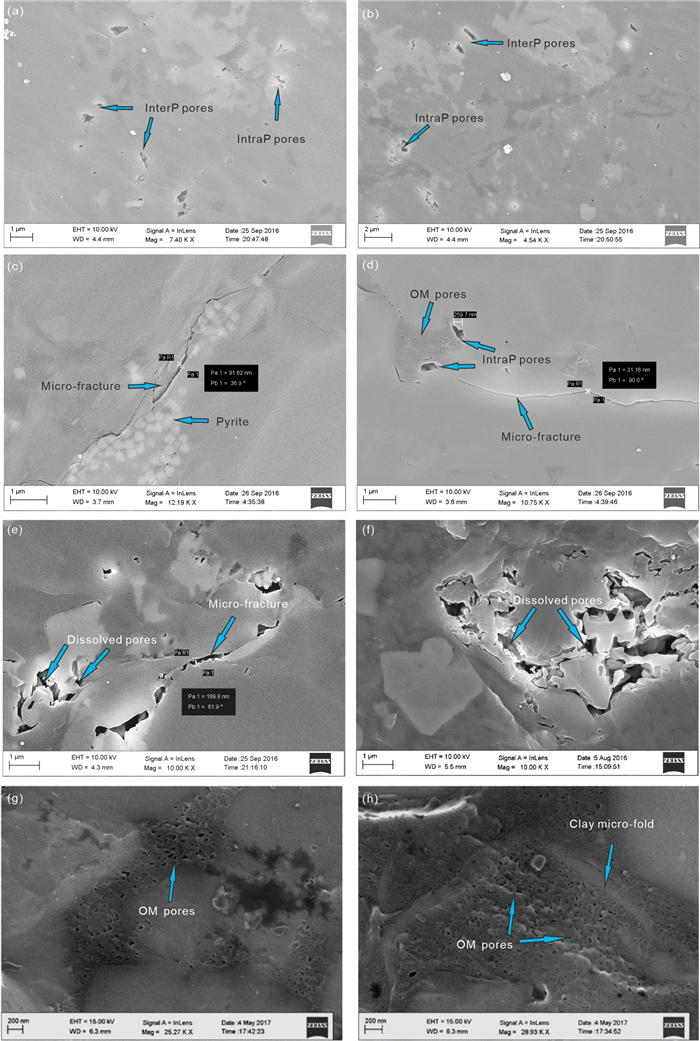
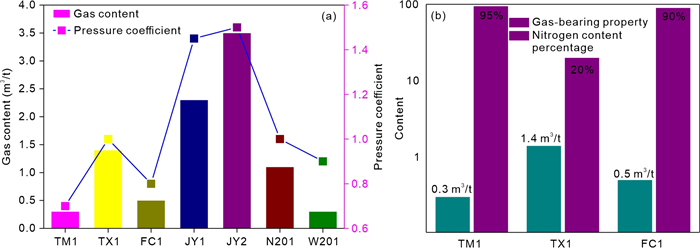
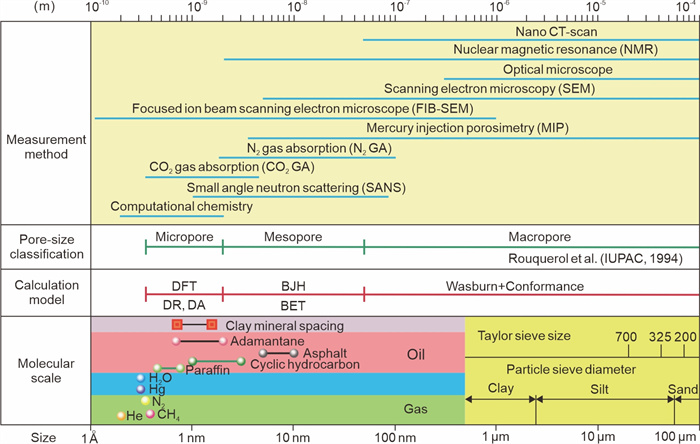
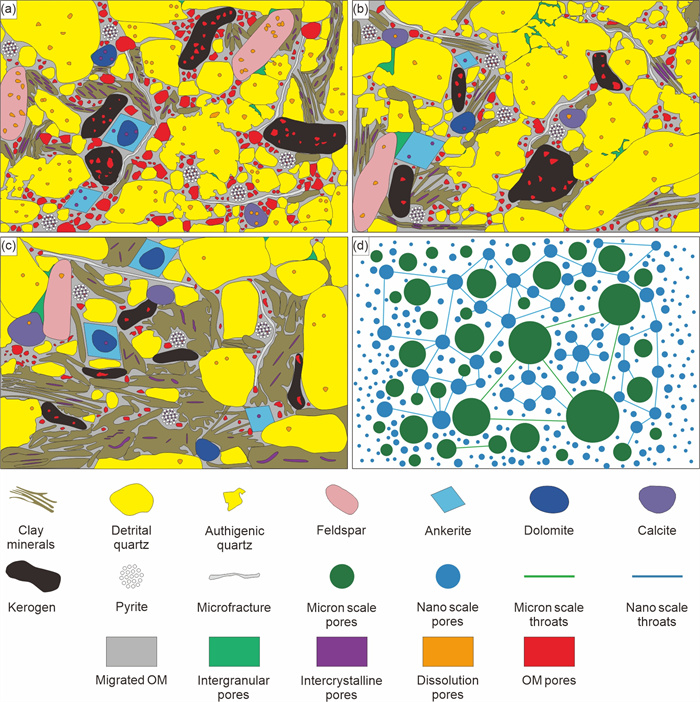
Marine-continental transitional (MCT) shale gas is an important successor of unconventional natural gas resource in China. Based on integrated analyses of published data including outcrop investigation, exploration practice, drilling cores, and experimental testing, the recent progresses of both global and domestic shale gas development were systematically reviewed and compared, and we further examined the exploration progress and challenges of MCT shale gas in the Ordos Basin, Sichuan Basin, and their adjacent areas, and conducted a comprehensive discussion of the key geological conditions for the formation of shale gas and its resource potential, challenges, and counter measures. The results show that MCT shale in China is mainly developed within the Carboniferous–Permian strata (Benxi, Shanxi, and Longtan formations), dominated by lagoon, swamp, and tidal flat facies, and possesses favorable conditions for shale gas formation and development potential. They mainly include the generation and storage of shale gas as follows: (1) The organic-rich intervals are thick and widespread, dominated by Type Ⅲ organic matter with high total organic carbon (TOC) content (≥3.0% on average) and moderate thermal maturity (Ro = 1.60%–2.61%), which are conducive to large-scale gaseous hydrocarbon generation. (2) Shale reservoirs are dominated by inorganic pores (clay mineral pores), with well-developed organic micropores (0.4–0.7 nm), and a high proportion of adsorbed gas (average 61%, up to 75%), providing favorable conditions of shale gas storage and enrichment. The total of MCT shale gas resource in China exceeds 50 × 1012 m3, of which the favorable resource volume in the Jinci Member of the Benxi Formation, the Shan23 and Shan22 + 1 submembers of the Shanxi Formation in the Ordos Basin reaches 16 × 1012 m3. Notably, a commercial breakthrough has been achieved in the Shan23 submember, demonstrating promising exploration and development prospects. However, the exploration and development of MCT shale gas remain at the early breakthrough stage, facing many challenges such as strong reservoir heterogeneity of sweet spots and high clay mineral content, which constrain drilling, completion, fracturing, and development effectiveness. To achieve large-scale development of MCT shale gas requires integrated evaluation of "sedimentary facies-preservation conditions-resource potential," as well as technologies advances in "multi-cluster within stage + limited-entry fracturing" and "platform-based well pattern + 3D well deployment". These will promote the coordinated co- production of "shale gas—coal-bed methane—tight gas" within the MCT shale system in the context of the whole petroleum system. By overcoming bottlenecks in geological theory and engineering technology, MCT shale gas is expected to become a new strategic successor for increase reserves and boost production of natural gas in China.